Top-Quality Exterior Solutions for Your Home Revamp
Revamping a home often begins with its exterior. Premium siding services play an essential role in enhancing both appearance and usefulness. Homeowners face a multitude of options, from vinyl to fiber cement. Each choice offers unique benefits and challenges. Understanding these aspects is vital for making an informed decision. The implications of choosing the right siding extend beyond aesthetics. What factors should one consider to guarantee lasting worth and functionality?
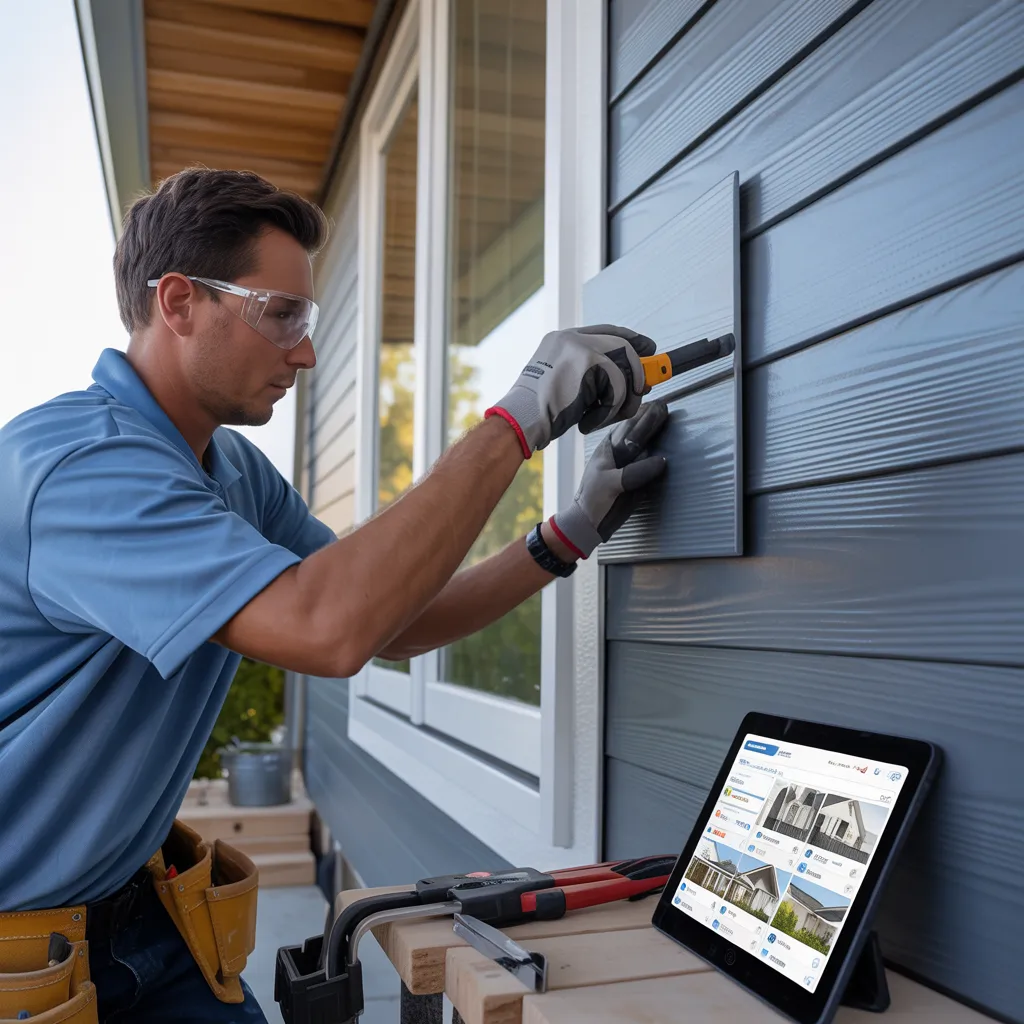
Why Professional Siding Makes a Difference for Your Home
Why matters quality siding for a house? The quality of siding impacts a home's curb appeal, energy performance, and structural integrity. Professional installation guarantees that the siding is correctly applied, minimizing the chance of leaks, mold growth, and pest infestations. Furthermore, expert siding services usually provide warranties that protect the homeowner's financial commitment, providing reassurance against potential damage.
Furthermore, trained workers come with the knowledge to manage diverse materials and meet local building codes, assuring compliance and long-lasting results. Proper siding can furthermore raise a home’s market value, making it more appealing to potential buyers. Conversely, DIY installations can lead to expensive errors and inferior outcomes. Hence, investing in professional siding is crucial for preserving a home’s beauty and functionality, ultimately resulting in a safer and more comfortable living environment.
Examining Numerous Siding Products: Which One Is Appropriate for You?
When evaluating siding options, homeowners face a variety of materials, each offering unique advantages. Vinyl siding is recognized for its cost-effectiveness and minimal upkeep, while wood siding delivers classic aesthetics that improve curb appeal. Meanwhile, fiber cement stands out for its outstanding durability and protection to the elements, making it a practical choice for many.
Vinyl Siding Advantages
Although residential owners typically encounter a plethora of choices when picking siding materials, vinyl siding is notable due to its unique combination of durability and low maintenance. This material resists rot, pests, and harsh weather, making it an ideal option for multiple climates. Additionally, vinyl siding is available in a vast range of colors and styles, offering versatility in design without requiring frequent repainting. Its affordability compared to other siding options makes it reachable for many homeowners, while a straightforward cleaning process ensures it remains pleasing to the eye over time. Furthermore, vinyl siding aids energy efficiency, reducing heating and cooling expenses. Altogether, these advantages position vinyl siding a attractive choice for home renovations.
Wood Siding Appearance
While plastic siding offers convenience, wood siding charms with its authentic appeal and timeless appeal. The prominent grains and warm tones of wood create an comfortable environment, enhancing a home's exterior charm. Available in multiple types, like cedar, pine, and redwood, wood siding allows homeowners to customize their design choices. Its multi-functionality can blend with different architectural styles, from rustic cabins to modern designs. Additionally, wood siding can be painted or dyed to obtain the chosen appearance, enabling further personalization. However, the individual wood grains and natural variations in color offer a distinct personality that synthetic materials often lack. Consequently, wood siding remains a favored selection for those seeking an elegant, organic appearance for their homes.
Fiber Cement Robustness
Fiber cement siding is distinguished for its exceptional durability, making it a strong contender in the market of home exteriors. It is composed of a blend of cement, sand, and cellulose fibers, which resists rot, warping, and insect damage. Unlike wood, fiber cement does not succumb to moisture-related issues, securing long-term performance even in harsh climates. Its resistance to fading and cracking also adds to its longevity, requiring maintenance over time. In addition, it can be painted in various colors, giving homeowners the ability to modify aesthetics without compromising durability. This mix of strength and versatility makes fiber cement siding an superior choice for those who want both form and function in their home improvement projects.
The Way Siding Enhances Energy Efficiency and Well-being
Siding serves as a important element in boosting a home's energy efficiency and livability. Its thermal resistance can significantly decrease energy loss, while modern air sealing solutions help sustain a steady indoor space. As a result, homeowners can experience lower monthly bills and improved overall well-being.
Analyzing How Siding Provides Thermal Protection Benefits
A carefully insulated home can considerably boost both energy efficiency and comfort. Siding is a crucial component in achieving this by supplying an extra layer of insulation. Various siding materials, such as insulated vinyl or fiber cement, are engineered to minimize heat transfer, helping to keep homes warmer in winter and cooler in summer. This thermal barrier reduces the workload on heating and cooling systems, bringing about lower energy bills. In addition, the insulation properties of siding contribute to a more consistent indoor climate, enhancing overall comfort. By choosing premium siding with advanced insulation, homeowners can enjoy a more energy-efficient residence while also reaping improved noise reduction and durability. These factors make siding a wise investment in home improvement.
Air Seepage Prevention Techniques
Preventing air leakage is vital for advancing energy efficiency and comfort within a home. Proper siding installation plays an important role in this process. Quality siding materials, such as fiber cement or vinyl, often feature interlocking designs that reduce spaces, reducing the potential for air infiltration. Additionally, employing quality sealing methods, like caulking and weather stripping, reinforces the barriers against unwanted drafts. Insulation behind the siding also contributes greatly by maintaining consistent interior temperatures. Regular maintenance, including inspections for cracks and wear, guarantees that the siding continues to perform excellently. By addressing air leakage through thoughtful siding choices and meticulous installation, homeowners can achieve notable energy savings and improved indoor comfort year-round.
What to Check for in Energy-Efficient Siding?
When reviewing high-efficiency siding, occupants often wonder what key features to stress. First and foremost, insulation quality is essential; siding with a high R-value signifies better thermal resistance, which helps maintain indoor atmosphere. Occupants should also identify materials that are shielded against moisture and mold, as these can undermine energy efficiency over time.
Another critical element is the siding's ability to reduce air intrusion. Goods with tight seams and interlocking panels can lessen drafts. Additionally, reflective surfaces that deflect sunlight can help keeping homes chilled in the summer.
Ultimately, eco-conscious materials that foster sustainability can be helpful. Selections including fiber cement or engineered wood not only guarantee durability but also strengthen energy efficiency. By assessing these considerations, homeowners can make careful choices that achieve lower energy bills and a more enjoyable living environment.
Fundamental Points for Choosing the Ideal Exterior Cladding
Picking the right exterior covering requires multiple key factors that surpass energy efficiency. Homeowners should stress strength, as materials including vinyl or fiber cement can withstand severe weather conditions. Aesthetic beauty is also important; the cladding should learn the details enhance the home's architectural character while aligning with individual taste. Care requirements vary widely among materials; wood may require regular refinishing and repainting, whereas vinyl generally requires minimal care.
Cost represents another vital aspect, including both upfront costs and long-term costs. Eco-friendly alternatives, including reclaimed wood or recycled materials, might attract eco-aware homeowners. Moreover, regional weather patterns must influence your selection, as certain materials perform better in specific environments. Ultimately, homeowners must consider the accessibility of cladding choices in their area, since this can affect both selection and installation processes. Making an informed decision will guarantee that the chosen siding improves both the home's value and exterior attractiveness.
How Proper Installation Affects the Durability of Your Siding
Proper setup is crucial for ensuring the longevity of siding materials. When siding is installed correctly, it creates a protective shield against environmental elements, reducing the risk of damage from moisture, wind, and pests. Improper alignment or improper sealing during installation can lead to gaps that allow water infiltration, ultimately causing fungal development and structural damage.
In addition, observance of manufacturer guidelines during installation is necessary. Each siding material has specific requirements that, when followed, increase durability and performance. For instance, improper nailing techniques or inadequate insulation can damage the integrity of the siding, leading to premature deterioration.
Furthermore, expert setup often includes quality inspections and warranties, providing homeowners with peace of mind. Choosing a professional installation crew not only guarantees visual attractiveness but also protects the siding investment, maximizing its durability and effectiveness. Correct installation, consequently, is an crucial element in maintaining the value and protection of a home.
Advice for Upkeeping Your Siding for Long-term Beauty and Safeguarding
Keeping exterior panels requires regular attention to confirm its beauty and defensive characteristics endure over time. Homeowners should begin with regular checks to identify any signs of damage, such as cracks or distortion. Washing the exterior covering every six months is essential; using a gentle detergent and soft brush can prevent the buildup of dirt and mildew. Additionally, inspecting the caulking around windows and doors helps to prevent water penetration, which can result in more serious problems.
It is also recommended to refinish wood siding every few years to preserve its integrity and appearance. For vinyl siding, a simple wash with a garden hose is often adequate. Homeowners should be aware of overhanging trees that can harm siding and cut them down as needed. By implementing these maintenance tips, homeowners can confirm their siding remains attractive and functional for years to come.
Inquiries Often Asked
What Techniques Can Help Me Recognize Signs of Deteriorating Siding?
To identify indicators of siding damage, one should check for cracks, warping, peeling paint, mold growth, and gaps between panels. Additionally, monitor for water inside your house, which may suggest underlying issues with the siding.
How Long Is the Average Lifespan of Different Siding Materials?
The average lifespan of siding materials differs: wood lasts 20-40 years, vinyl 20-30 years, fiber cement 25-50 years, and aluminum about 30 years. Factors like climate and maintenance can significantly affect these durations.
Do I Need to Obtain a License for Siding Installation?
Whether a credential is called for for siding installation depends on local guidelines. Typically, homeowners should contact their municipal building department to ensure compliance with any necessary credentials and to prevent potential fines or project delays.
Is Adding New Siding Over Present Siding Feasible?
Yes, replacement cladding can typically be mounted over present siding, assuming the core structure is stable and meets local municipal codes. However, comprehensive evaluation and conceivable waterproofing layers should be contemplated to guarantee enduring strength.
In What Manner Does Siding Influence My Home's Market Value?
Siding significantly impacts a home's resale value by enhancing visual appeal and thermal performance. Premium materials and professional installation can attract buyers, potentially increasing offers and reducing time on the market, ultimately yielding a greater profit.